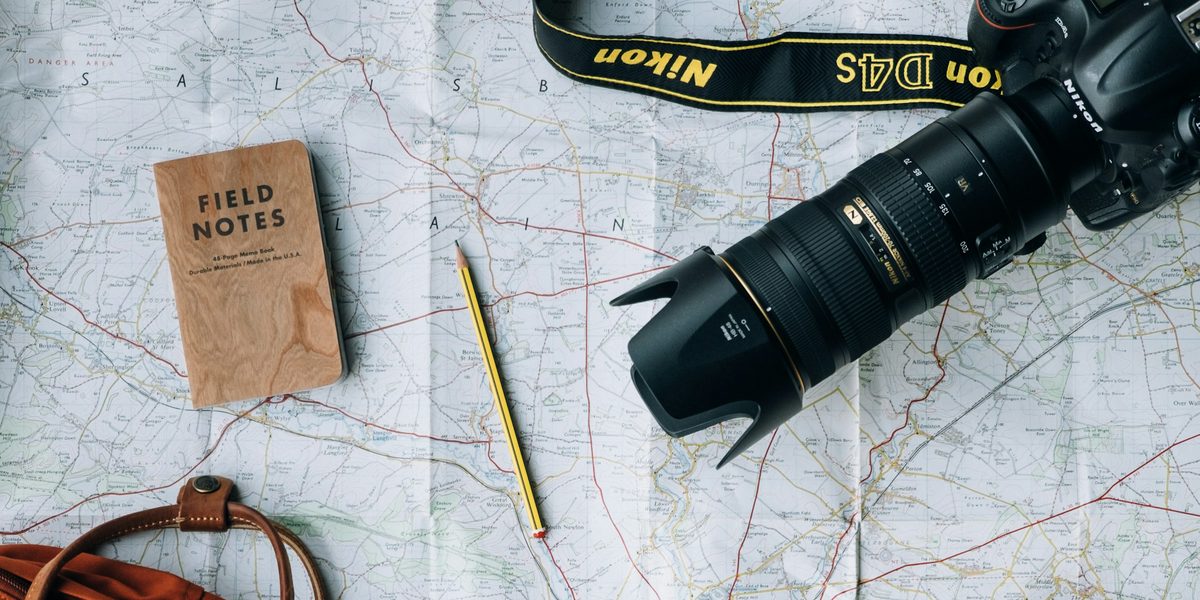
What to Pack for Equatorial Guinea
Complete packing checklist tailored to Equatorial Guinea's climate and culture
Climate Overview for Equatorial Guinea
Equatorial Guinea keeps a temperate climate, not the fierce equatorial heat you might expect. You will not battle constant, oppressive humidity. Cool breezes roll in from the Gulf of Guinea, along the coastal capital of Malabo. Mist clings to the volcanic peaks of Bioko Island and a gentle dampness lingers in the air. Mornings often begin under low clouds that lift to reveal clear skies. This mild yet humid setting demands layers, quick-drying fabrics, and reliable rain protection. Sudden showers sweep in from the Atlantic, leaving the scent of wet earth and salt behind.
Clothing & Footwear

Cobblestone streets in Malabo's Old Town and uneven trails in the Moka region of Equatorial Guinea demand supportive footwear. Wet stones feel slick after rain, so pick shoes with solid grip.

Humidity in Equatorial Guinea slows drying. Quick-dry underwear is important for managing damp air and for washing items between Malabo and Bata.

Domestic flights within Equatorial Guinea on smaller aircraft enforce strict weight limits. Packing cubes maximize space and keep damp clothes away from dry ones.

Good for day trips from Malabo to the black sand beaches of Arena Blanca, where Atlantic waves crash. A packable bag folds small and carries a sweater when cool evening air arrives.
Electronics & Gadgets

Equatorial Guinea uses Type C and Type E plugs. A Travel Adapter USB C keeps devices charged in Malabo hotels, which often mix European-style outlets.

Power outages hit outside major centers in Equatorial Guinea. A high-capacity power bank keeps your phone alive for navigation, translation, or photographing colonial architecture in Santa Isabel Square.
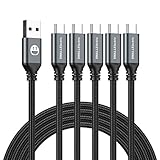
Bring multiple durable cables. You might charge during long drives to Moka Valley, where lush greenery and rare bird calls fill the air. Spare cables prevent frustration.
Noise-canceling headphones tame long flights to Equatorial Guinea and quiet busy streets. They mute generator hum or lively chatter from a restaurant serving grilled fish.
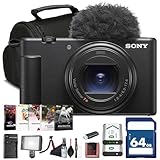
Capture the emerald canopy of Monte Alen National Park or vivid masks at the Malabo National Museum without bulky gear. Low-light skills help inside dim cathedrals.
Hotel rooms in Equatorial Guinea, outside luxury chains, offer few outlets. A power strip charges everything at once after a day exploring.
Toiletries & Health

TSA-approved pouches keep liquids organized for flights into Equatorial Guinea. Clear sides speed security checks at Malabo Airport so you can step into humid air sooner.

A basic kit is important. Pack antiseptic and bandages for minor cuts while hiking Bioko Island or walking rocky coastal paths in Equatorial Guinea, where medical help may be far.
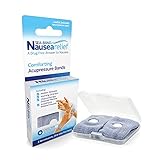
Winding roads to Pico Basile summit or boat rides among Equatorial Guinea islands can stir nausea. Acupressure bands give drug-free relief so you can enjoy the views.

Solid shampoo and soap bars prevent spills on bumpy roads. They also cut plastic waste, a small kindness in Equatorial Guinea where roadside plastic litter appears.

A pill organizer is critical for daily prescriptions. Pharmacies in Equatorial Guinea may lack your exact medications, so bring a full supply for a safe trip.
Documents & Security

An RFID-blocking wallet shields passport and credit cards from electronic theft. Use it in Bata markets or crowded corners of Malabo, where Spanish, French, and local languages mingle.

A money belt carries the bulk of your cash and a backup card under your clothes. Smart for day trips in Equatorial Guinea when you leave the hotel safe behind.

TSA locks secure checked bags on flights to Equatorial Guinea and lock your backpack in hotel rooms or transport. They deter casual theft.
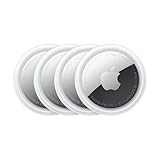
An AirTag gives peace of mind for tracking checked bags, useful when complex itineraries route you through major hubs before landing in Equatorial Guinea.
Comfort & Convenience
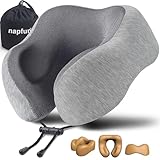
A neck pillow is essential for long flights to Equatorial Guinea. It also cushions long mainland drives over unpaved roads to remote villages.

An eye mask blocks early light in hotels with thin curtains. Helps adjust to time zones or rest after tasting spicy succotash by the salt air.

Earplugs silence nighttime noise in Malabo. Distant music, barking dogs, or early traffic fade so you wake ready for adventure.

Stay hydrated in Equatorial Guinea's climate. A collapsible bottle folds flat when empty and refills with filtered water before you head into cool mountain air in Moka.
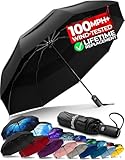
Heavy rain showers strike fast in Equatorial Guinea. A windproof umbrella keeps you dry while walking to the Presidential Palace in Malabo or waiting for a taxi.

A foldable tote suits impromptu buys at Malabo markets. Load it with papayas or a handcrafted souvenir, then pocket it when empty to cut plastic bag use.
Outdoor & Hiking Gear

Trekking poles steady every slick step on Monte Alen National Park trails in Equatorial Guinea. They spare your knees on climbs to viewpoints. You stand above a vast green canopy. Worth it.
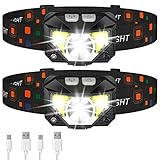
Pack a headlamp if Equatorial Guinea plans include sunrise hikes to Pico Basile. You will also need it walking back after dusk. Street lighting is scarce. Skip this and you stumble.

Bring a filter bottle for long hikes or remote villages in Equatorial Guinea. Bottled water can vanish. Clear streams appear. Drink safely. Light weight.

Clip a whistle and basic compass to your belt before entering Equatorial Guinea rainforests. Trails blur. You call for help. You find north. Simple insurance.
Seasonal Packing Adjustments
What to add or skip depending on when you visit
Dry Season
December, January, February
Add: Sunscreen with high SPF, Lip balm, Lightweight scarf for sun protection
Shop Dry Season essentials →December to February is the sunniest stretch in Equatorial Guinea. Sun feels fierce at altitude. Humidity drops a notch. Malabo keeps its cool coastal breeze. Bring sunscreen, hat, sleeves.
Wet Season
April, May, June, September, October, November
Add: Waterproof jacket with hood, Quick-dry trousers, Extra pairs of socks, Anti-mold packets for luggage
Shop Wet Season essentials →Skip: Lightweight fabrics that take long to dry
March to May and September to November bring heavy afternoon downpours to Equatorial Guinea. Rain drums tin roofs. Petrichor rises thick. Trails turn to mud. Pack waterproof jacket, gaiters, quick-dry clothes.
Luggage Recommendation
Check a medium, rugged suitcase plus a carry-on backpack for Equatorial Guinea. Domestic flights cap checked bags at 20kg. Backpack holds documents, meds, change of clothes, electronics if luggage lags. Pick wheels that survive cracked sidewalks and dirt paths.
Shop Carry-On Luggage on AmazonPro Packing Tips
Practical advice from experienced travelers
Don't Pack
- Leave heavy winter coats at home. Equatorial Guinea nights are cool, not cold. A fleece or light sweater handles it. Pack light.
- Skip jumbo shampoo and conditioner bottles. Supermercado La Luna in Malabo and Bata stocks them cheap. Save space. Save weight.
- Leave flashy watches and expensive jewelry behind. Equatorial Guinea is safe. Yet low profile is smarter. Less worry.
- A full toilet paper roll is overkill. Hotels and restaurants in Equatorial Guinea supply it. Carry a pocket pack of tissues. Done.
- Ditch the brick of guidebooks. One compact guide or offline app covers Equatorial Guinea. Lighter bag. Faster lookup.
Buy Locally
- Grab a GETESA or Muni SIM card at Malabo Airport or city kiosks. Local data and calls are cheap. Navigate. Share photos. Stay connected.
- Stock your room with 5-liter bottles from Supermarket Mikomeseng in Malabo. Refill a collapsible bottle daily. Hydrate cheaply.
- Buy bright Pano fabric at Malabo Central Market. Vendors demonstrate how to wrap it. Feel the textured cotton. Take home color.
- Pack a small insect repellent starter. Need more? Pharmacies labeled farmacias in Malabo and Bata sell strong local brands. Replenish fast.
Packing Hacks
- Roll clothes instead of folding to save space
- Pack shoes in shower caps to protect clothes
- Use packing cubes to stay organized
- Keep essentials in your carry-on
Continue Planning Your Trip
More guides to help you prepare
Ready to plan your trip to Equatorial Guinea?
Now that you've got the research covered, here's where to go next.