Things to Do in Equatorial Guinea in March
March weather, activities, events & insider tips
Low Season · Budget Friendly
March Weather in Equatorial Guinea
Long-run averages for March in Malabo
88°F (31°C)
High Temp
75°F (24°C)
Low Temp
4.0 inches (102 mm)
Rainfall
82%
Humidity
12
Sunny-Day UV
⚠ Malaria risk rises in March. Increasing humidity and early rains expand mosquito breeding habitat across Bioko and the mainland. Antimalarial prophylaxis, treated bed nets, and DEET repellent are essential for your entire stay.
⚠ Heat exhaustion develops fast here. The combination of 31°C (88°F) heat and 82% humidity hits hard during midday exertion, on the Pico Basile trek or forest hikes where shade traps moisture. Start outdoor activities at dawn. Carry at least two liters (half a gallon) of water per person.
⚠ Afternoon thunderstorms grow more frequent through March. They arrive fast and produce intense downpours that turn unpaved roads to deep mud within minutes. Plan critical driving segments for morning hours. Build flexibility into any itinerary involving roads south of Luba or the mainland interior.
Is March Right for You?
Weigh the advantages and considerations before booking
Advantages
- + March marks the final stretch of Equatorial Guinea's dry season. Malabo sees just 4.0 inches (102 mm) of rain, a fraction of the 8 to 10 inches that drench Bioko from May through October. Mornings stay clear until early afternoon. That gives you solid hours outdoors before humidity builds into thunderheads over the island's volcanic spine.
- + Temperatures hit 31°C (88°F). That is good for Bioko's volcanic black-sand beaches south of Luba. The Gulf of Guinea water runs warm enough for hours of swimming. The shoreline is often yours alone. The surf stays manageable. It lacks the swells that build from June onward.
- + Equatorial Guinea draws so few visitors that crowd competition barely exists. In March, the travelers you might meet are oil workers on downtime or researchers bound for southern Bioko's primate sites. They are not tour groups fighting for the same lookout.
- + Early seasonal rains begin stirring the waterfalls near Ureka. They fill forest streams on Bioko's southern slopes without yet destroying unpaved roads. This window closes by mid-May. Then clay tracks dissolve into deep red slurry.
Considerations
- − Rain builds through March, roughly tripling February's 2.8 inches (71 mm). Humidity sits at 82%. That makes the 31°C (88°F) heat feel far heavier. Your shirt plasters to your back within minutes of stepping outside. Forest trails are worst. The canopy traps moisture there.
- − Equatorial Guinea's oil-inflated economy makes it one of Central Africa's priciest destinations. Accommodation, meals, and ground transport all exceed what Cameroon or Gabon charge for comparable quality. Options at any price point are strikingly limited.
- − Visa acquisition remains notoriously difficult and slow. Most nationalities need an invitation letter, proof of accommodation, and processing measured in weeks. Spontaneous March plans are impossible. Start paperwork months ahead.
Best Activities in March
Top things to do during your visit
Southern Bioko Coastal and Beach Exploration
March offers one of the last comfortable windows for reaching Bioko's southern coastline. Its 31°C (88°F) highs and restrained rainfall give way to wet-season roads of red-clay slurry. South of Luba, volcanic black-sand coves sit beneath rainforest walls that drop straight to the waterline. The air carries salt and the sweet rot of shoreline palms. Surf stays calm enough for swimming. It lacks the chop that builds from June onward. You will likely have entire beaches to yourself. That emptiness disorients in the best way. The drive from Malabo takes roughly three hours. Roads deteriorate past Luba, the final stretch bouncing over exposed rock and packed laterite. Plan a full day. Carry water and food. No beach vendors operate here. That absence is the point.
Booking Tip: Arrange coastal transport through Malabo operators providing 4x4 and driver. Book at least two weeks ahead. Roads south of Luba are unpaved and unmarked. This is not a self-drive trip. See current guided options in the booking section below.
Pico Basilé Volcanic Summit Trek
Equatorial Guinea's highest point rises to 3,012 m (9,882 ft) above Malabo. March offers some of the last clear-morning summit windows. Wet-season cloud cover becomes near-permanent from May through October. The trek starts before dawn from the road access point above the city. It climbs through montane forest draped in moss and ferns. Temperatures drop from coastal 31°C (88°F) to roughly 15°C (59°F) near the top. Mist curls through transition zones in cold ribbons you feel on exposed skin. You will hear Bioko's colobus monkeys before you see them. Dark shapes swing through canopy gaps. This is not casual. The trail is steep, often muddy even in March. The altitude gain hits your legs and lungs by the upper third. Start by 5 AM. Maximize your visibility window before afternoon clouds erase the view entirely.
Booking Tip: Book guided treks two to three weeks ahead through Malabo operators who know the mountain routes. Confirm your guide carries basic first-aid supplies. Group size must suit the narrow trail. Check current availability in the booking section below.
Ureka Waterfalls and Rainforest Primate Watching
The waterfalls near Ureka on Bioko's southern tip peak in March. Early rains add volume without turning access roads into the impassable mud tracks of late May. The falls thunder into pools surrounded by primary rainforest. Canopy density filters daylight to green half-dark. Spray carries mineral smells of wet volcanic rock and deep-earth scents of undisturbed leaf litter. This is prime territory for Bioko's endemic drill monkeys and critically endangered Preuss's red colobus. Both grow more active in wetter transitional months when fruit production rises. Drills bark sharply when they spot you. Branches snap as troops reposition. That sound stays with you. Expect a rough four to five hour drive from Malabo. The road narrows to a single track cut through vegetation walls for the final stretch. Plan a full day or overnight trip.
Booking Tip: Full-day and overnight Ureka excursions require booking two to three weeks ahead. Use Malabo operators with reliable 4x4 vehicles and experienced drivers. Confirm the trip includes a knowledgeable wildlife guide, not merely a driver. See current trip options in the booking section below.
Malabo Market and Street Food Circuit
Malabo's Mercado Central anchors the city's oldest commercial quarter. March brings mango and avocado season. The stalls overflow with fruit so ripe the sweetness hits you a full block before you arrive. Inside, women sell smoked fish stacked in dark, glossy pyramids. They offer bundles of cassava leaves for cooking succus, the rich stew that underpins most Equatoguinean meals. Pungent dried prawns come packed in newspaper cones. Street-side grills outside serve whole fish charred over coconut-husk coals. The skin crackles as it splits. The flesh falls apart with a squeeze of lime. Smoke mixes with the heavy equatorial air. For something cold, find the palm wine sellers. They tap tope from the trees daily. They serve it slightly fizzy, faintly sour, and gone sour by morning if you wait. March heat hits 31°C (88°F) with 82% humidity pressing down. These cold-drink stops feel less optional than they sound.
Booking Tip: No advance booking needed for the market itself. It operates daily from morning through late afternoon. Worth it. For a guided food walk with a local who can explain ingredients and preparation methods, arrange a few days ahead through your Malabo accommodation. Browse current food experiences in the booking section below.
Monte Alen Rainforest Expedition
Monte Alen National Park protects over 1,400 square km (540 square miles) of lowland and submontane rainforest on the mainland. It ranks among the least-visited protected areas in Central Africa. March is one of the last months to reach the trail system. Heavy rains from May through October waterlog many paths and make river crossings risky. The forest sounds different from Bioko's coastal jungle. It runs deeper somehow. A layered insect drone never fully stops. You hear the occasional crash of a forest elephant through undergrowth. The hollow drumming of a great blue turaco echoes off the canopy. Light barely reaches the forest floor in places. It filters through so many layers of green it arrives as something closer to twilight. Getting there requires travel from Bata, the mainland's main city. A final stretch on unpaved road follows. In March this remains passable but demands patience. Independent visits are technically possible. Practically they are difficult without local contacts.
Booking Tip: Monte Alen trips need planning at least three weeks ahead. Mainland logistics require this. You will need to fly or take a ferry from Malabo to Bata. Then arrange overland transport and a local guide. Check the booking section below for organized multi-day excursions. They handle the considerable logistics.
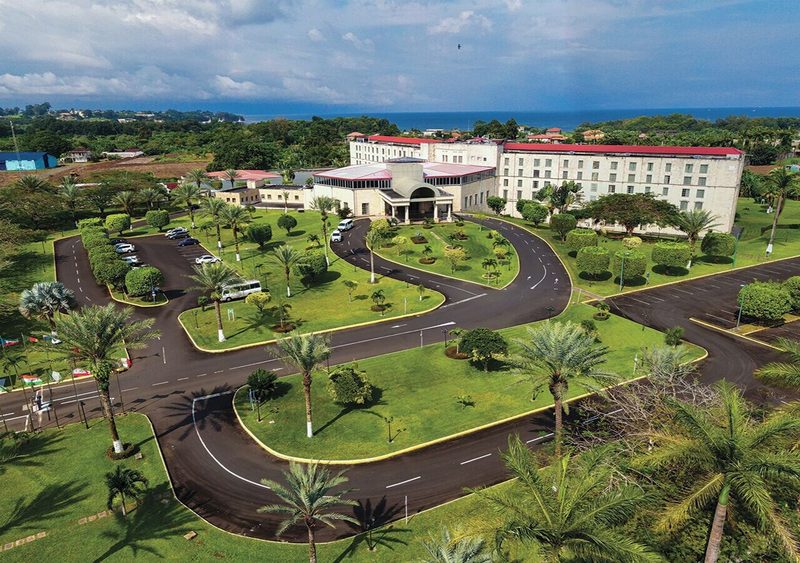
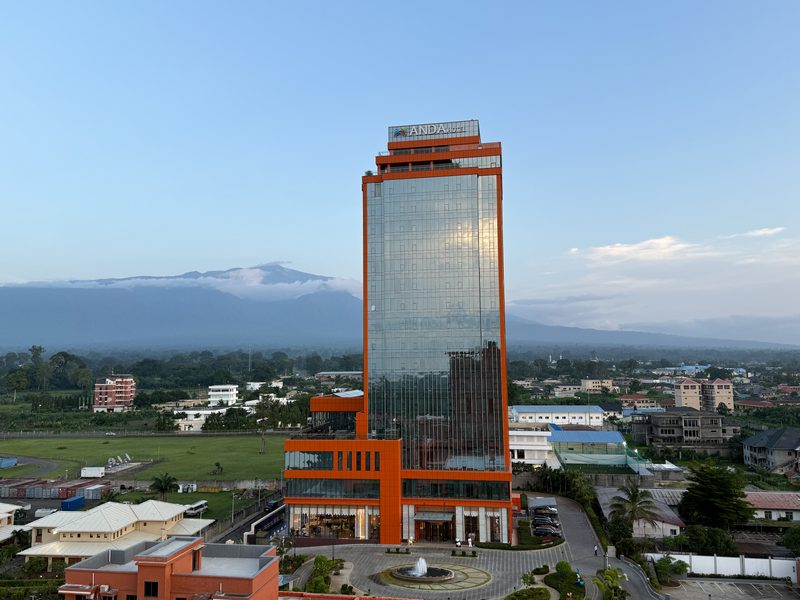
Where to Stay in Equatorial Guinea in March
Hand-picked hotels across price tiers for March travellers.
Public Holidays in March
Dates that affect opening hours, transport and crowds
Good Friday
Observed nationwide as a public holiday.
Packing Checklist
Bookmark this page — your progress is saved between visits
Need the full list with shopping links?
Climate-specific gear, brand recommendations, and what to leave at home.
View Equatorial Guinea Packing List →Essential Tips
Insider knowledge and common pitfalls to avoid
Insider Knowledge
Spanish opens doors in Equatorial Guinea. It is the only Spanish-speaking nation in sub-Saharan Africa. Survival-level Spanish outperforms polished English or French every time. Market vendors, taxi drivers, and police at roadside checkpoints respond better when you try. Learn greetings, numbers, and basic questions before arrival. It changes everything.
Never photograph government buildings, military installations, police officers, or the presidential compound in Malabo. Cameras and phones have been confiscated. Travelers have been detained for shots they thought were innocent architecture. When in doubt, point your lens at the ocean, the forest, or market stalls. Ask first. Always ask.
Bring euros in cash. Exchange them locally for Central African CFA francs, which is pegged to the euro. ATMs in Malabo exist but are routinely empty or offline. Credit cards work at a small handful of upscale establishments and essentially nowhere else. Carry enough cash for your entire stay. Keep it distributed across your luggage.
Disease, not crime, is the real safety concern in Equatorial Guinea. Malaria prophylaxis is non-negotiable. Yellow fever vaccination is required for entry. Sleep under a treated mosquito net even in air-conditioned rooms. This is standard local practice. Street crime is relatively low by regional standards. Petty theft occurs around Malabo's market areas. Stay alert.
Avoid These Mistakes
Do not treat the visa process as a last-minute task. Equatorial Guinea's visa requirements are among the most opaque in Africa. You will need a letter of invitation, proof of accommodation, and processing times of three to six weeks or longer depending on your nationality. Starting less than two months before a March departure is gambling with your trip.
Never photograph anything near government or military property. What looks like an interesting colonial building or scenic harbor view may include a restricted installation. Several travelers have had equipment confiscated and been held for questioning over harmless-seeming shots. Stick to nature and market scenes. Ask first anywhere in Malabo or Bata.
Do not assume roads outside Malabo and Bata are drivable in a standard car. South of Luba on Bioko, and across much of the mainland's interior, roads degrade to unpaved tracks requiring 4x4 vehicles and local knowledge of which ruts to avoid. A 50 km (31 mile) drive on a map can take three to four hours in March conditions. That gap widens as the wet season deepens.
Ready to plan your trip to Equatorial Guinea?
Now that you've got the research covered, here's where to go next.
Explore More Activities in Equatorial Guinea
Didn't see anything interesting yet?
Browse Viator's full catalog of tours, day trips, food experiences, and private guides in Equatorial Guinea.
See All Equatorial Guinea Tours on Viator